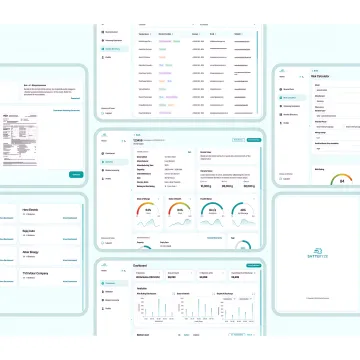
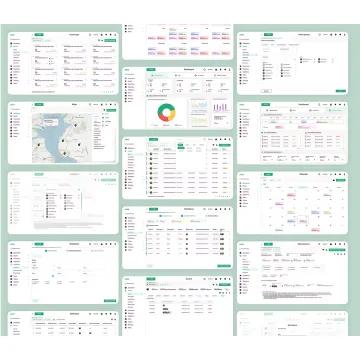
What does a UX engagement with What if design look like?
Most engagements start with a focused discovery phase where we audit existing flows, map user journeys, and identify the friction points slowing down activation or adoption. From there, we move into UX strategy and wireframing, followed by high-fidelity design and a developer-ready handoff. For ongoing partnerships, we work in two-week sprints and act as an embedded design team, handling everything from new feature flows to design system updates.
How do you approach UX research for technical or complex products?
For climate and deep-tech products, research usually involves understanding both the end user and the technical constraints of the product itself. We conduct stakeholder interviews, competitive studies, and usability tests adapted to the complexity of the product. For example, researching how a procurement lead evaluates a carbon accounting platform requires a different approach than researching a consumer app, and we design the research process accordingly.
What is the difference between UX strategy and UX design?
UX strategy defines the logic of how a product should work: the flows, content hierarchy, and decision points that guide users toward value. UX design executes that strategy visually, producing wireframes, high-fidelity screens, and interactive prototypes. Both inform each other. Strategy without design stays abstract, and design without strategy tends to produce flows that look polished but don't move users where they need to go.
How long does a typical UX project take?
Scope determines timeline. A focused flow redesign or onboarding audit can be completed in two to three weeks. A full product UX engagement covering research, wireframes, high-fidelity design, and a design system typically runs six to ten weeks. For ongoing partnerships, we operate in two-week sprints, which allows you to prioritize based on what the product needs most at any given point.
How does developer handoff work?
We deliver developer-ready files in Figma, including annotated specs, component documentation, responsive breakpoints, and interaction notes. For projects that include a design system, we set up a component library with tokens, states, and usage guidelines that your engineering team can reference directly. We stay available through the build phase to review implementations and answer questions as they come up.
Do you work with startups that don't have an in-house design team?
Most of our clients don't have in-house designers, which is part of why they work with us. We work directly with technical founders, product leads, and marketing teams to align on goals and prioritize work, without requiring a detailed brief upfront. We take ownership of the design process from strategy through delivery, so you're not managing a design contractor — you're working with a team that leads.
What makes UX design different for climate and deep-tech products?
Climate and deep-tech products often serve several very different audiences at once. Operators, enterprise buyers, investors, and policy stakeholders may all use the same platform or website, and each has different goals and levels of technical fluency. Flows need to be designed for each audience without creating a fragmented experience. There's also the challenge of communicating technical credibility to non-technical decision makers — the UX has to make a complex product feel accessible without misrepresenting what it actually does.
How do you measure the success of UX work?
We anchor success metrics at the start of every engagement. Depending on the product and its stage, relevant indicators might include task completion rates, time-to-activation, feature adoption, demo-to-close conversion rates, or a reduction in support tickets tied to UX friction. For earlier-stage products, qualitative signals from user interviews often tell us as much as any quantitative data.