Website UX design
Map user journeys, design information architectures, create wireframes, conduct usability testing, and build user flows that eliminate friction and drive conversions across web and mobile experiences.
Partner with a mission-driven design agency that transforms complex digital products into intuitive, high-converting experiences. We combine strategic UX research with pixel-perfect UI design to help innovative companies, from climate tech startups to enterprise platforms, to accelerate user adoption, reduce development rework, and achieve measurable business outcomes.
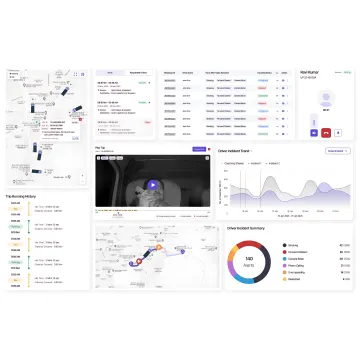
End-to-end design solutions from strategic research and brand positioning to pixel-perfect interfaces and development.
Map user journeys, design information architectures, create wireframes, conduct usability testing, and build user flows that eliminate friction and drive conversions across web and mobile experiences.
Craft high-fidelity interfaces with scalable component libraries, design tokens, accessibility compliance, and pixel-perfect specifications that ensure consistency across all digital touchpoints.
Design conversion-focused website layouts, map buyer journeys, create responsive interfaces, and build delightful micro-interactions optimized for engagement and search visibility.
Develop story-first market positioning, clear value propositions, and evidence-backed competitive strategies with stakeholder alignment exercises and research-driven insights.
Create comprehensive brand systems including logo design, color palettes, typography scales, icon libraries, and design guidelines that ensure recognition and consistency.
Design delightful micro-interactions, animations, transitions, and gesture controls that provide satisfying user feedback and enhance engagement across devices.
We solve complex business problems through strategic design. Our research-backed approach combines user insights with conversion optimization to create digital experiences that support faster pilots, funding readiness, and strategic partnerships. From initial discovery workshops to final developer handoff, we deliver solutions that maintain consistency across every touchpoint.
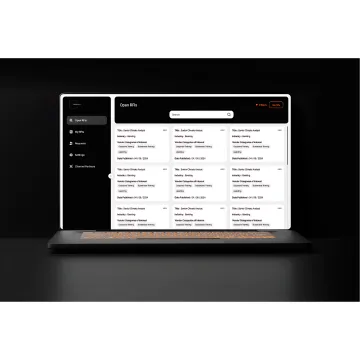
Join leading organizations that have transformed their digital presence with our strategic design expertise.
"They very quickly understood the kind of messaging that was important to us and how to translate that into a compelling visual experience. I can't recommend them enough!"

"Working with What If has been transformative — faster feature roll outs, reduced development costs, and a fantastic user experience. They quickly understood our vision and offered proactive ideas"

"The extremely high quality of outputs with fast turn around times and availability of team at short notice has been perfect for our requirements"

"They very quickly understood the kind of messaging that was important to us and how to translate that into a compelling visual experience. I can't recommend them enough!"
"Working with What If has been transformative — faster feature roll outs, reduced development costs, and a fantastic user experience. They quickly understood our vision and offered proactive ideas"
"The extremely high quality of outputs with fast turn around times and availability of team at short notice has been perfect for our requirements"
"They very quickly understood the kind of messaging that was important to us and how to translate that into a compelling visual experience. I can't recommend them enough!"
"Working with What If has been transformative — faster feature roll outs, reduced development costs, and a fantastic user experience. They quickly understood our vision and offered proactive ideas"
"The extremely high quality of outputs with fast turn around times and availability of team at short notice has been perfect for our requirements"
We're more than a design agency. We're your strategic creative partner committed to your success.
Design Declares certified agency focused on creating impact through purpose-driven design excellence for climate and sustainability initiatives.
Full-service approach from brand positioning to product design, combining business strategy with design thinking to deliver measurable outcomes.
Workshop-to-launch in weeks with turnaround times as fast as 48 hours, eliminating deployment backlogs and accelerating time-to-market.
3x cheaper than hiring in-house senior designers while delivering enterprise-quality work through our remote-first global team.
Experienced founders with a track record of designing for millions.

Co-founder
Akhila brings deep expertise in user-centered design from her background creating innovative LEED-certified buildings and leading urban interventions valued at over $100 million. Her work has directly impacted millions of people, demonstrating her ability to design solutions at scale. Before co-founding What if Design in 2020, Akhila honed her skills designing complex spatial experiences that balanced aesthetic excellence with functional performance. She studied architecture at IIT Kharagpur, where she began her collaborative partnership with Tejas. At What if Design, Akhila leads the design practice, applying her systems-thinking approach to digital products and brand experiences. Her architectural background informs her holistic design methodology, ensuring every interface, interaction, and visual element works together as an integrated system. Akhila is passionate about using design as a catalyst for positive environmental impact, recently pivoting What if Design's focus toward climate tech and sustainability initiatives after recognizing the urgent need for great design in the climate movement.

Co-founder
Tejas combines strategic business acumen with design thinking, bringing valuable experience from driving growth initiatives for OYO across three countries. His operational expertise includes designing and running large-scale training programs for over 1,700 people throughout India, demonstrating his ability to create scalable systems and processes. Before co-founding What if Design in 2020, Tejas developed a deep understanding of business growth, customer acquisition, and operational excellence. He studied architecture at IIT Kharagpur alongside Akhila, where they began their creative partnership. At What if Design, Tejas focuses on strategic alignment, ensuring design solutions directly support clients' business objectives. His background allows him to bridge the gap between creative vision and commercial reality, translating complex business requirements into clear design briefs. Tejas is committed to making strategic design accessible for climate-focused organizations, recognizing that exceptional design can be a competitive advantage for purpose-driven companies working to address environmental challenges. His approach emphasizes measurable outcomes and ROI alongside design excellence.
UX (User Experience) design focuses on the overall user journey, including research, information architecture, wireframing, and usability testing to ensure products are intuitive and effective. UI (User Interface) design focuses on the visual and interactive elements—colors, typography, buttons, animations—that users directly interact with. Both are essential for creating successful digital products, and our team handles both disciplines seamlessly.
Let's discuss how strategic design can accelerate your business goals and user adoption.
Share your project details and we'll respond within 24 hours with next steps. Expect a collaborative partnership focused on your business outcomes.
For immediate assistance, feel free to give us a direct call at You can also send us a quick email at team@whatifdesign.in
For immediate assistance, feel free to give us a direct call at You can also send us a quick email at team@whatifdesign.in