What is the difference between UX and UI design?
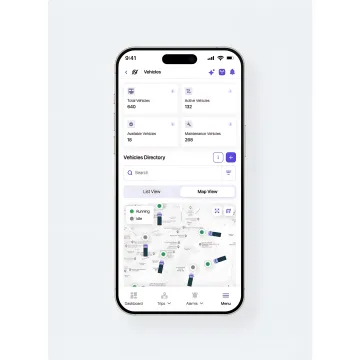
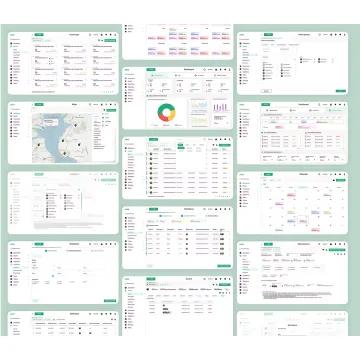
UX (user experience) design covers the structural layer: user journeys, information architecture, user flows, and usability testing that ensure your product is navigable from the first interaction. UI (user interface) design handles the visual execution: high-fidelity mockups, component libraries, design tokens, and developer-ready specifications. For technically complex products like those in climate tech or deep tech, the two are tightly connected. Strong flow logic without clear visual hierarchy creates confusion at the interface level, and polished visuals built on a poorly structured flow still leave users stranded.
How long does a typical UX/UI design project take?
Project timelines vary based on scope and complexity. Focused interface updates or single user flows can be completed in 2 to 4 weeks, while comprehensive website redesigns typically take 4 to 12 weeks. Complex product UX/UI projects with extensive user research and testing usually require 6 to 12 weeks. We offer rapid turnarounds for urgent needs, with some deliverables ready in as little as 48 hours. For most climate and deep-tech startups, the right starting point is a focused sprint on the highest-friction user flows rather than a full redesign.
Do you provide prototypes before final design?
Yes, prototyping is a core part of our design process. We create interactive prototypes in Figma that let you walk through the actual user flows, test interactions, and validate design decisions before any code is written. For climate and deep-tech products with complex workflows or multi-step technical processes, this step is particularly valuable: it surfaces navigation issues and edge cases at the design stage, where they're far cheaper to fix.
Can you work with our existing brand guidelines?
Absolutely. We can work within your existing brand guidelines or help evolve them as needed. If you don't have formal brand guidelines, we can create a comprehensive design system as part of the project, covering component libraries, color tokens, typography scales, and usage rules that make it straightforward for your team to maintain visual consistency going forward.
What is your design process?
Our process runs in five stages: (1) Discovery and research, where we understand your business goals, user needs, and the specific constraints of your product domain. (2) Strategy and architecture, where we define the information structure and primary user flows. (3) Design and prototyping, where we move from wireframes to high-fidelity interfaces. (4) Testing and validation, where we run usability sessions and gather structured feedback. (5) Delivery and handoff, where we provide complete design systems and developer specifications your engineering team can build from directly.
Do you conduct user research and testing?
Yes, user research and testing are built into our design approach rather than treated as optional add-ons. We conduct stakeholder interviews, competitive analysis, user journey mapping, and usability testing sessions to inform design decisions with evidence rather than assumptions. For climate and deep-tech companies with complex user segments, this research phase is especially important: the people operating the product, approving the purchase, and evaluating the technology often have very different needs from the same interface.
What tools do you use for design and prototyping?
We primarily use Figma for UI design, prototyping, and real-time client collaboration. For development, we work with Webflow and Framer for responsive, CMS-ready implementations. We also use Miro for strategy workshops and user journey mapping, and Hotjar for behavioral analytics when post-launch data is available to inform design iterations.
Can you help with both web and mobile design?
Yes, we design for web and mobile platforms including responsive websites, web applications, iOS and Android native apps, and progressive web apps. For climate and deep-tech products that span field operations, enterprise dashboards, and mobile data capture, we design consistently across device types so the experience holds up whether a user is on a desktop in an office or a tablet on a job site.